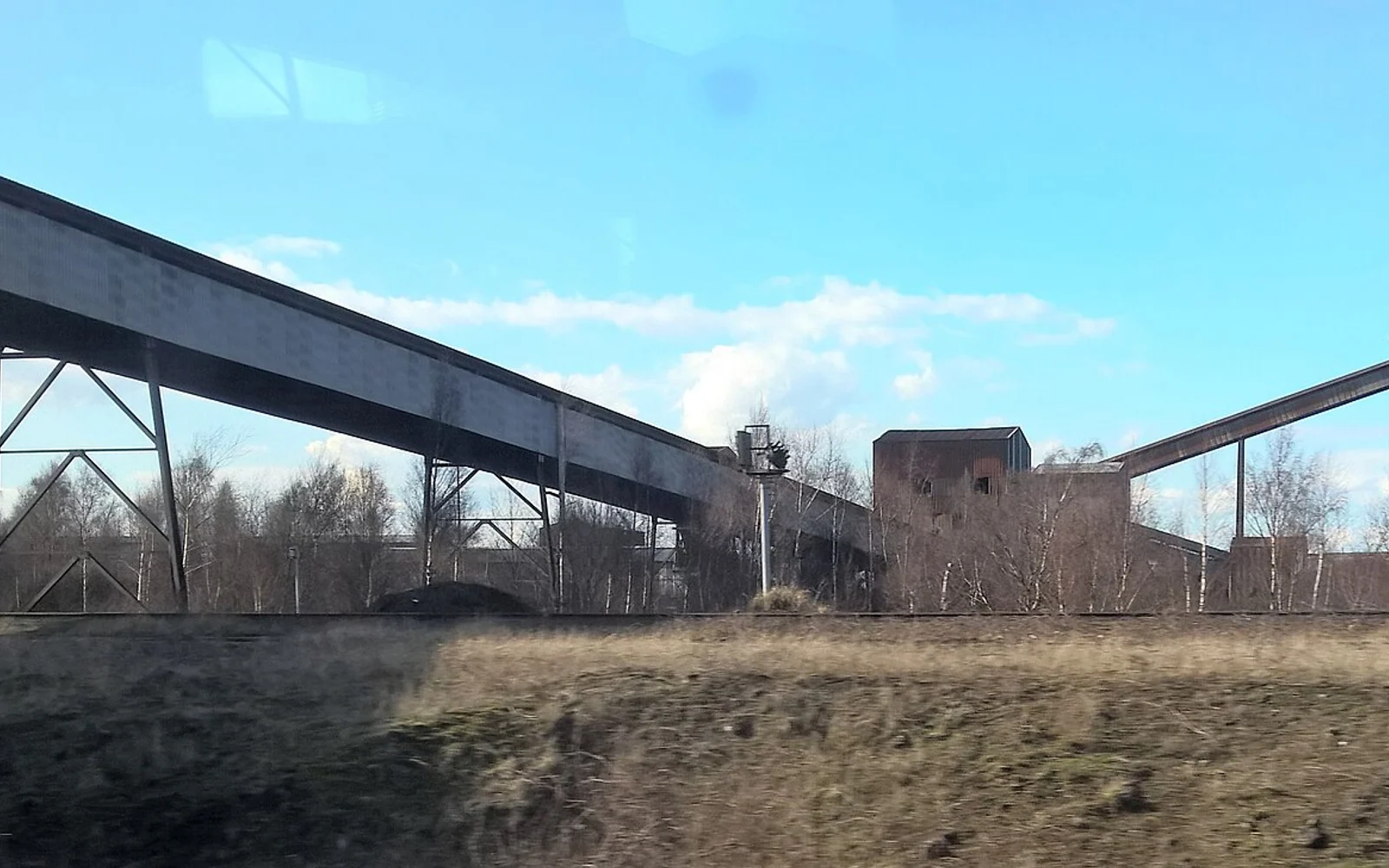
Coal Handling Is a Route of Different Duties
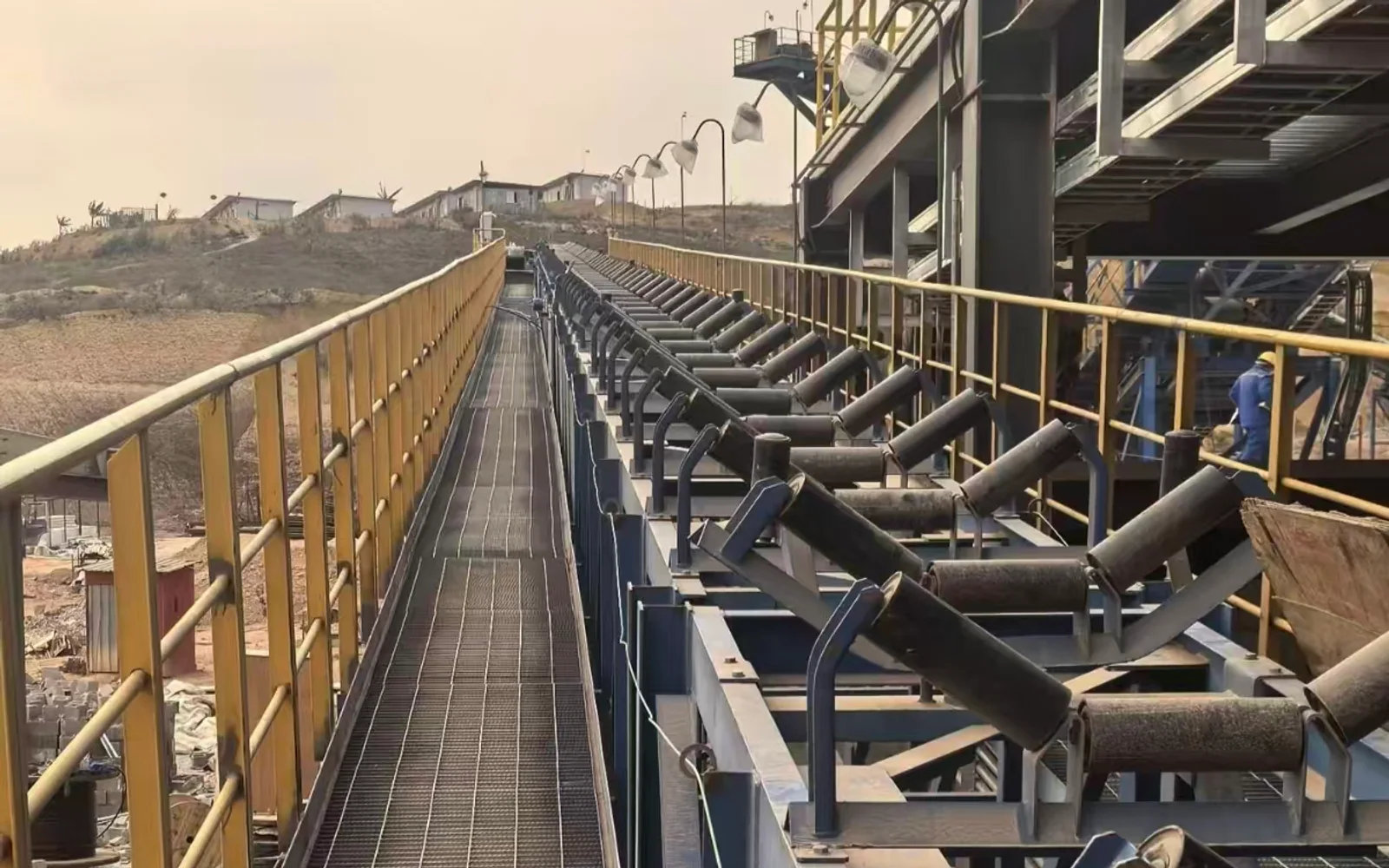
Coal receiving, stockpile transfer, reclaim and process-feed conveyors should be reviewed by position. Wet coal, dry fines, variable feed and reversible operation can change loading, carryback and tracking behaviour along the route.
Loading, Dust and Carryback Checks
- Observe whether coal enters near the belt centre and close to belt direction.
- Check impact support against lump size, drop height and loading rate.
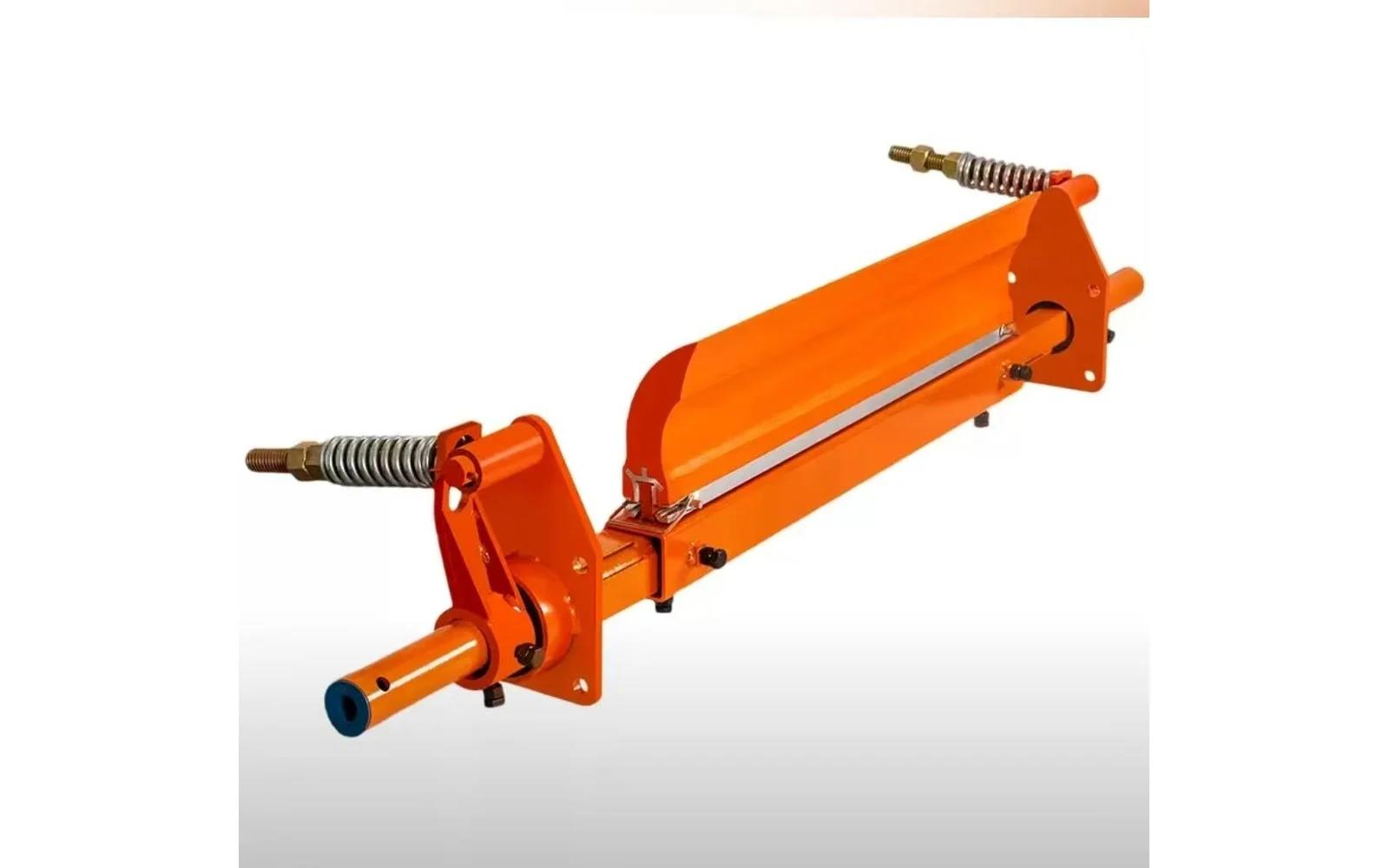
- Inspect cleaner contact, pulley build-up and return rollers where carryback begins.
- Compare belt tracking with loading condition, weather and recent maintenance.
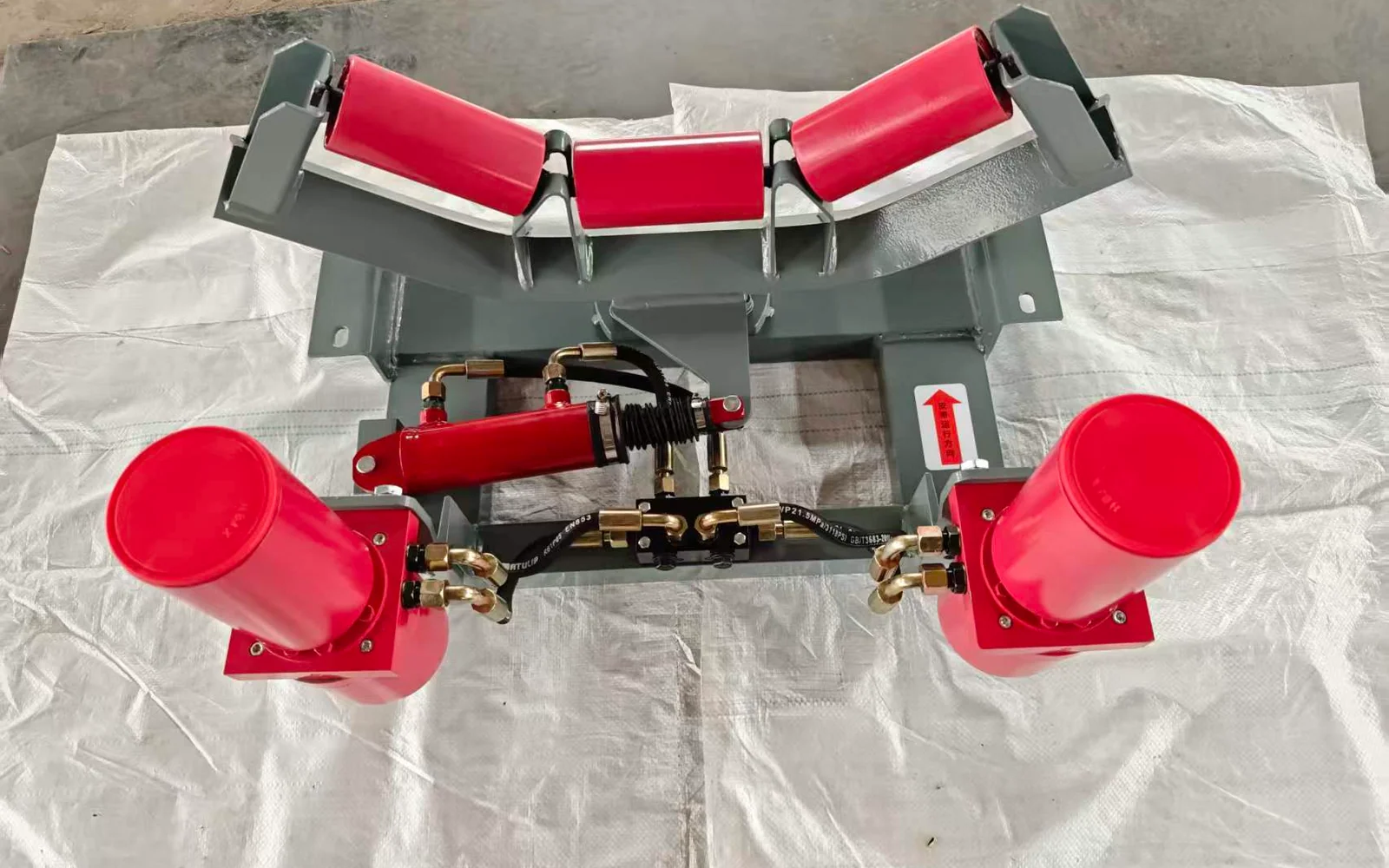
A tracking device may assist at a suitable location, but it should follow checks of loading, idlers, pulleys, splices, take-up and structure.
Replacement Parts for Existing Coal Conveyors
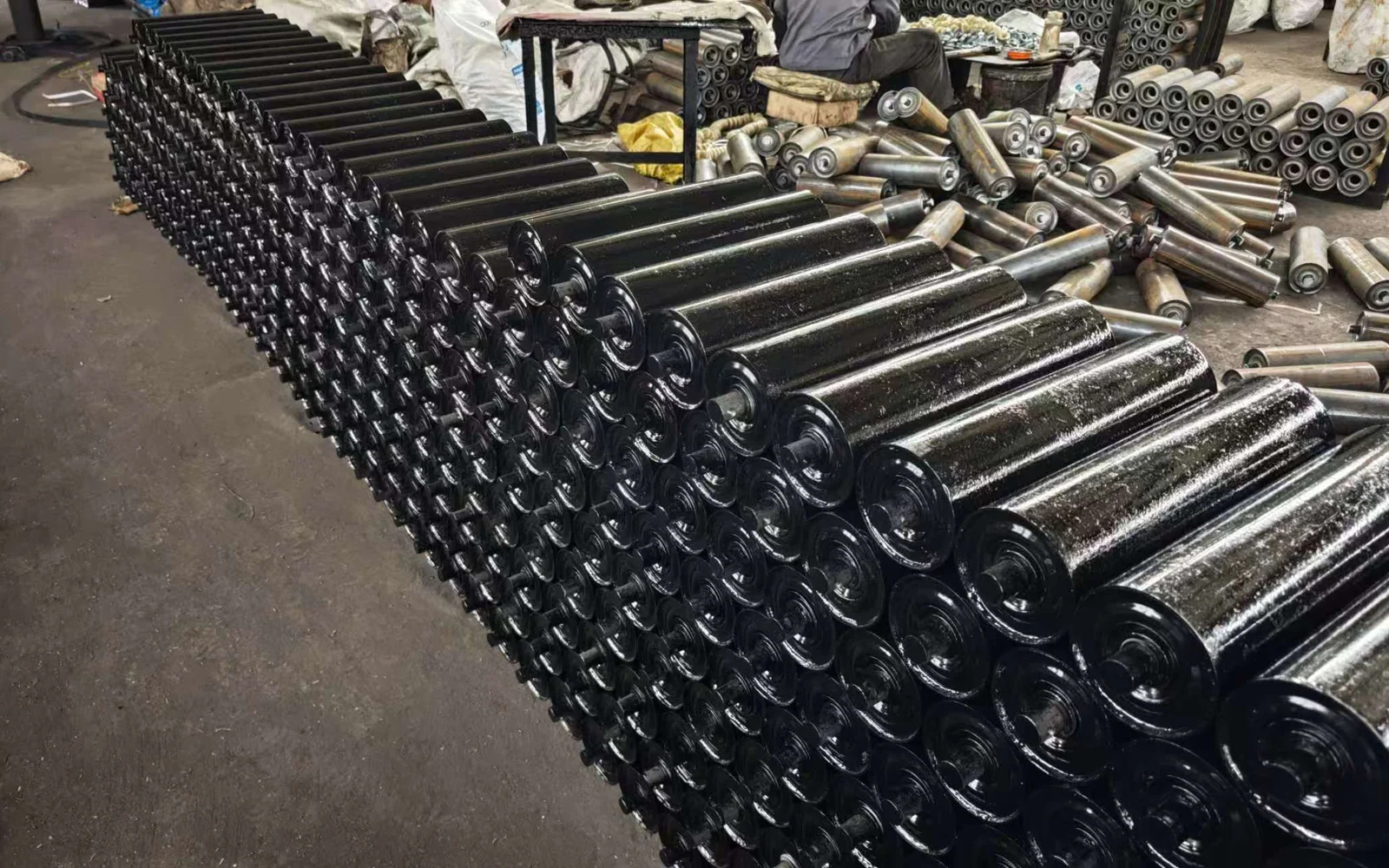
Idler and pulley replacements need the installed dimensions as well as belt width. Provide shaft and bearing interfaces, roller and frame dimensions, component position, direction of travel and any reversible duty. If the original drawing is missing, use a dimensioned sketch supported by clear overall and detail photographs.
Coal Conveyor Enquiry Data
Send material moisture and lump size, normal and peak capacity, belt speed, route, operating hours and the specific problem or replacement scope. For bunker distribution or reversible conveyors, state the operating directions and discharge arrangement explicitly.