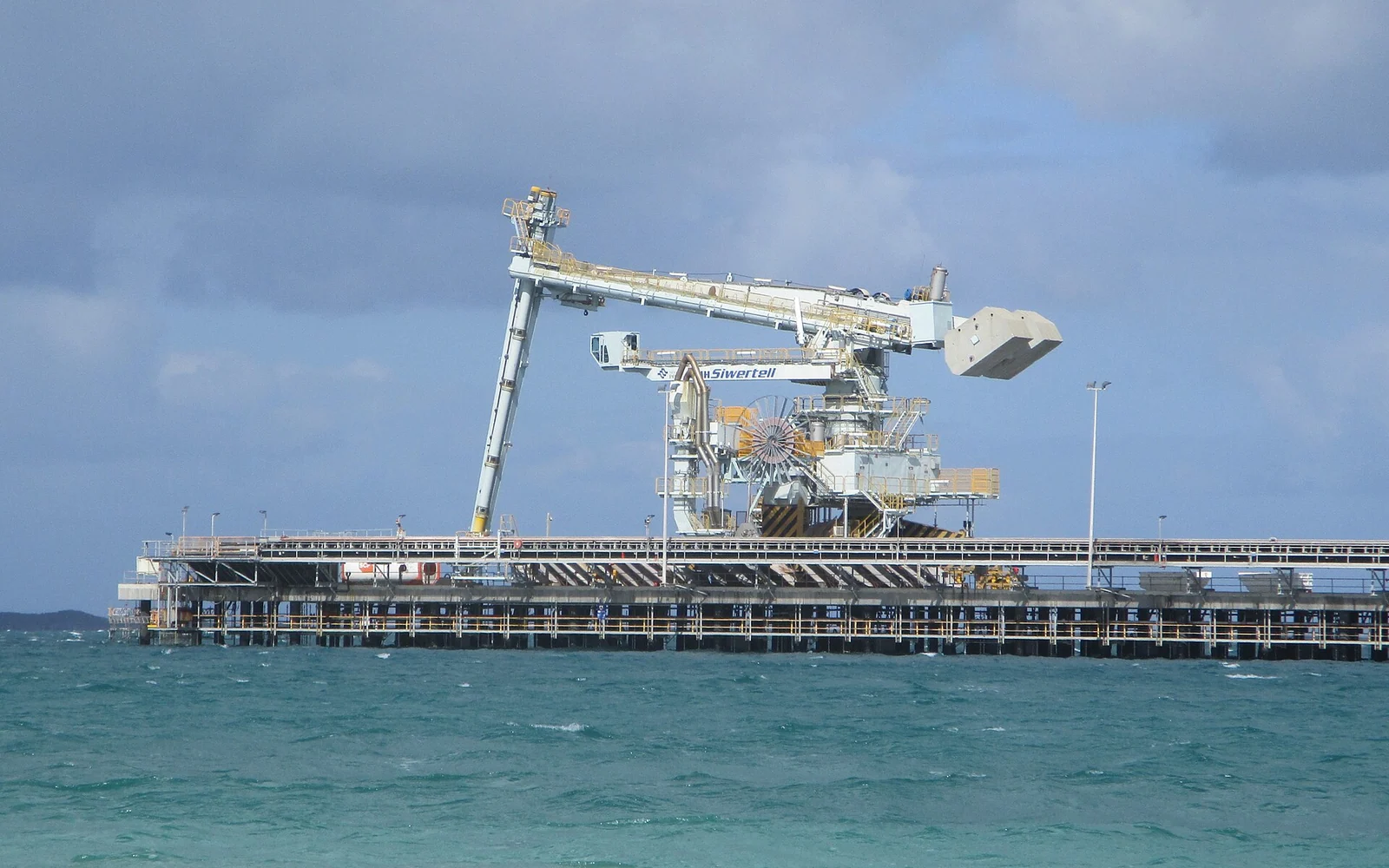
Define the Terminal Conveyor Position First
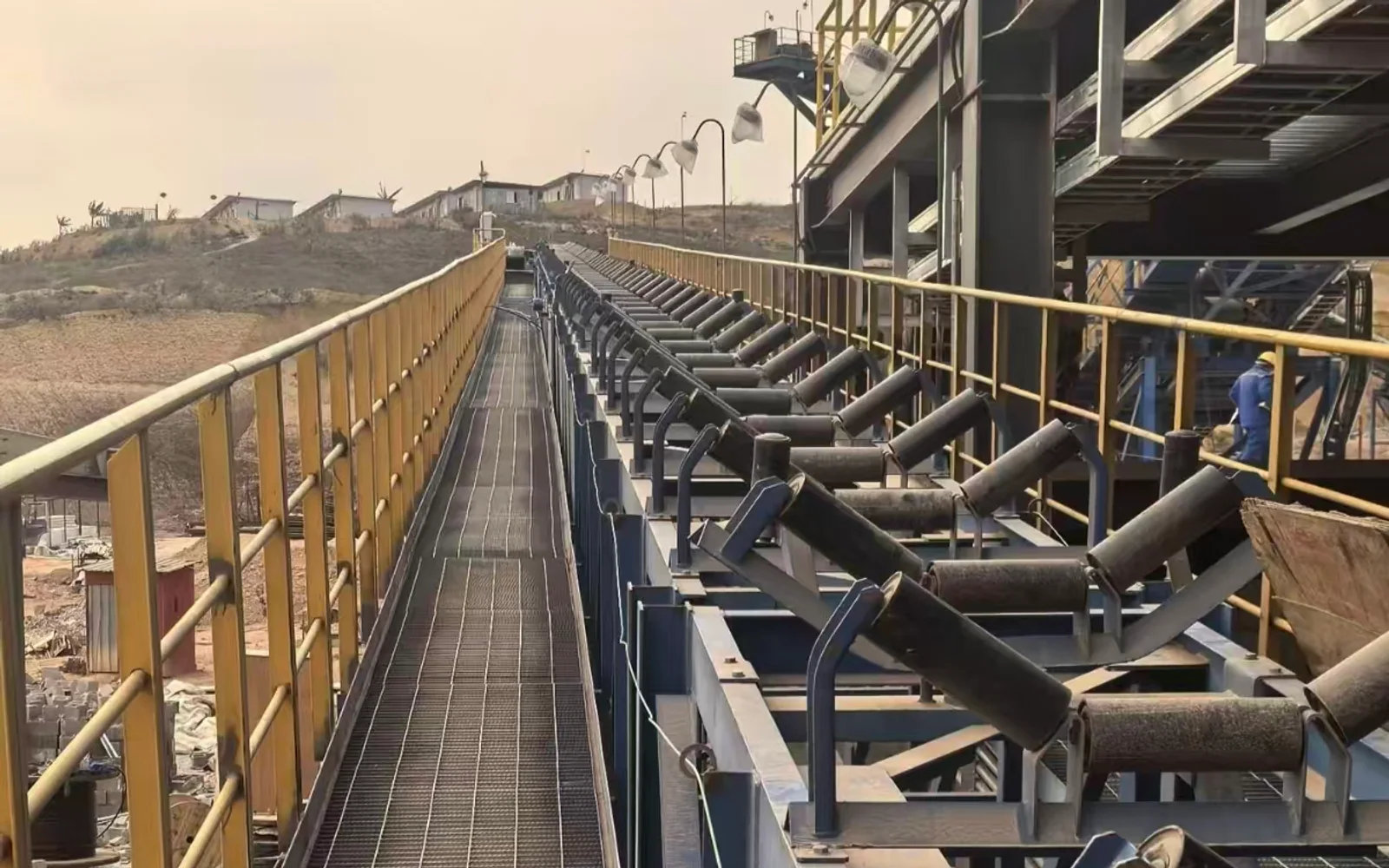
A stockyard conveyor, transfer-tower conveyor and ship loading or unloading route can share nominal belt data while operating under different exposure and access conditions. The RFQ should identify the position, material, normal and peak duty, operating schedule and whether the component is a planned replacement or an urgent fit requirement.
Moisture, Corrosion and Continuous Duty
Outdoor and marine-adjacent locations may expose rollers, pulleys, fasteners and surfaces to moisture and corrosion. Material build-up around transfer towers can affect rollers and belt tracking. Continuous-duty routes also make bearing arrangement, sealing, access and replacement planning more relevant than a generic catalogue description.
Plan Replacements Around Interfaces and Access
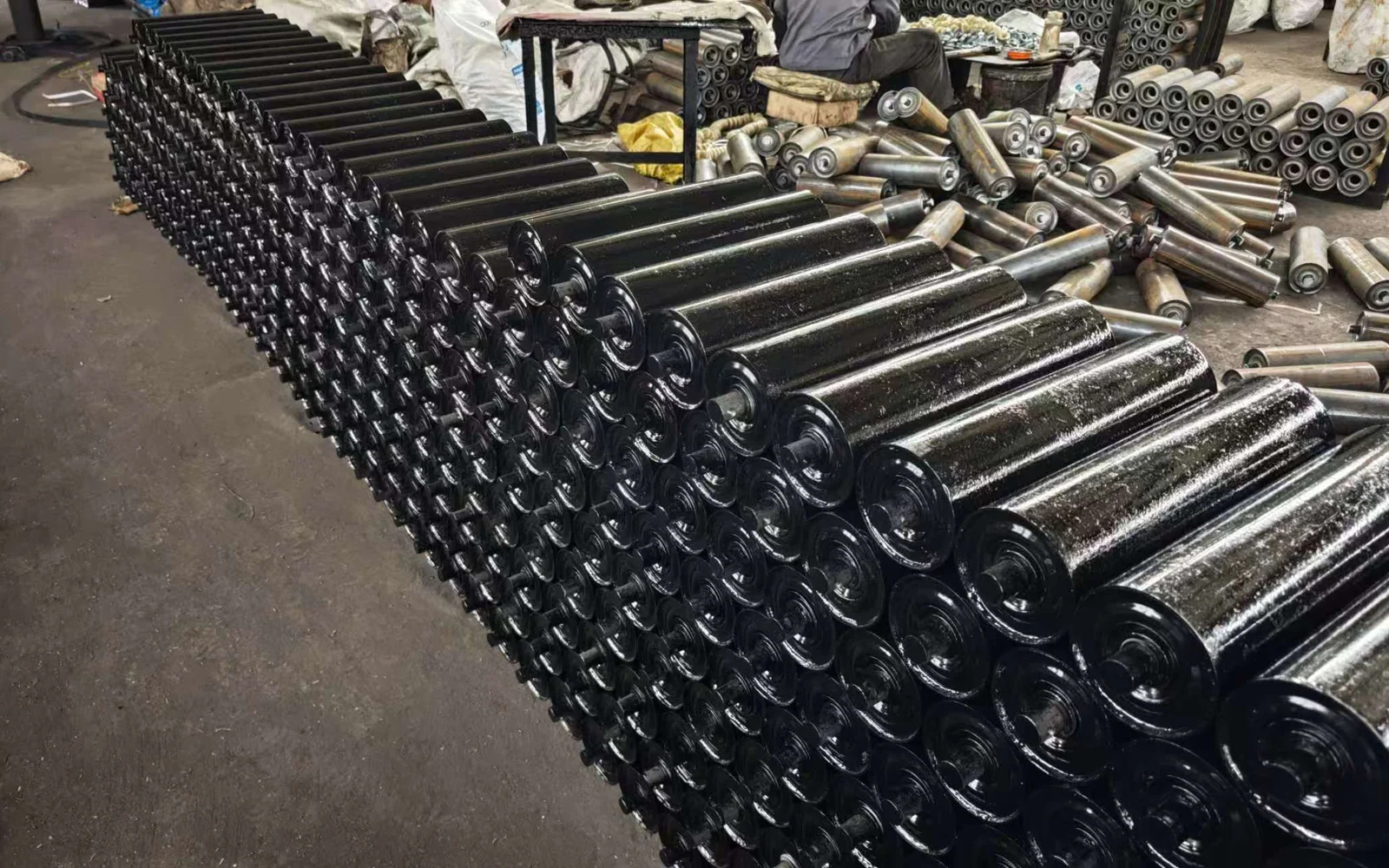
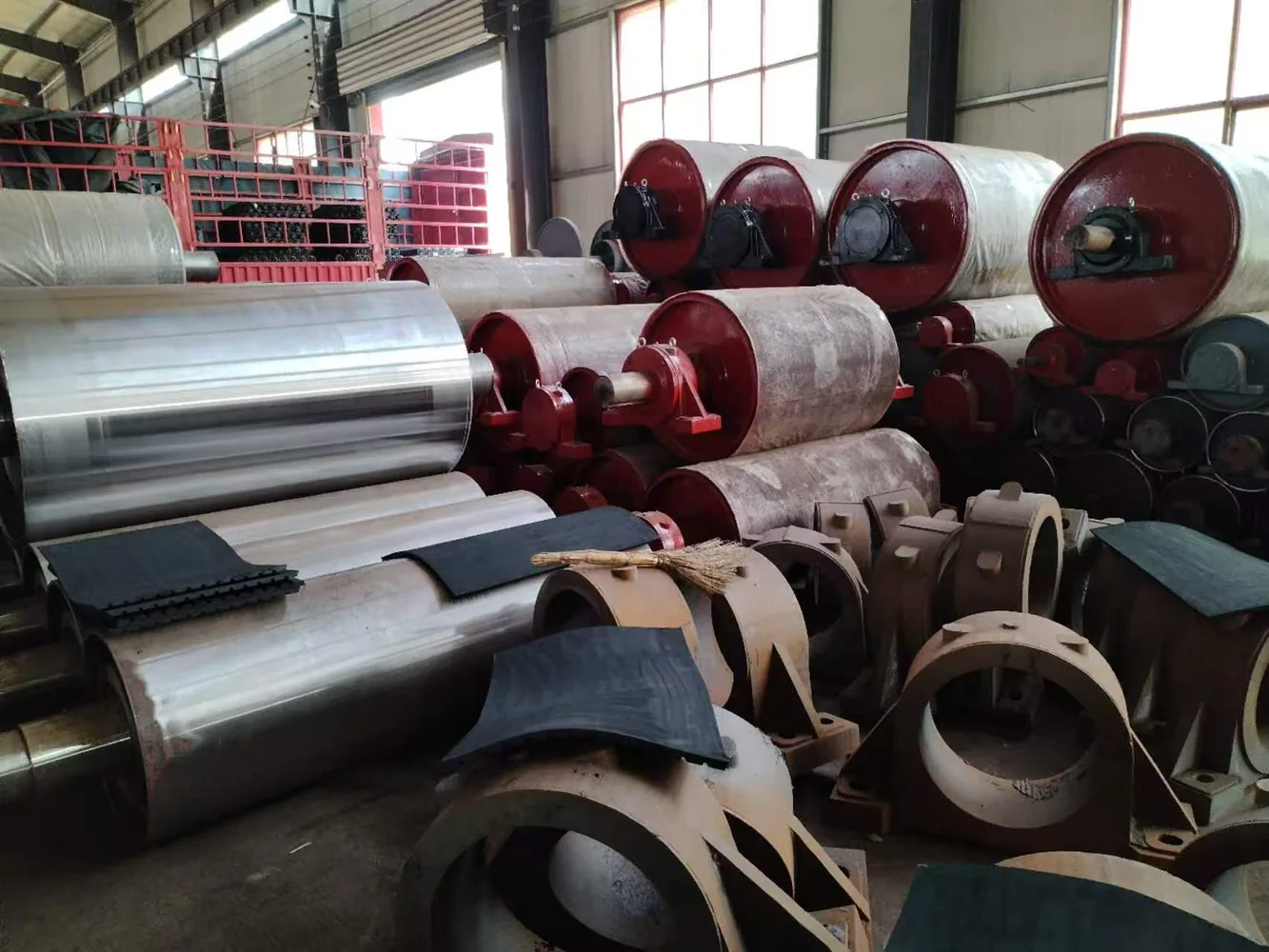
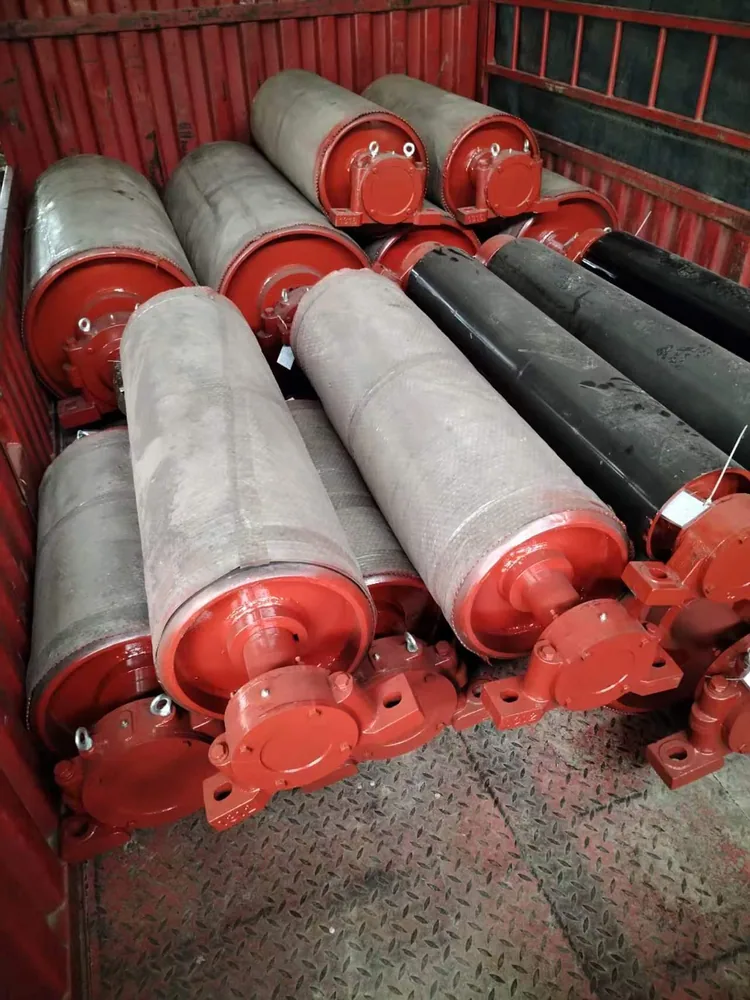
For pulleys, confirm shell diameter, face width, shaft steps, bearing centres, hubs, locking arrangement and lifting or handling constraints. For idlers, provide roller and frame dimensions, shaft ends, mounting holes and the installed trough arrangement. Record package identification and any shipment split needed to move parts through the terminal or stockyard.
What to Include in a Terminal RFQ
- Bulk material and its wet or dry condition.
- Belt width, speed, capacity and duty hours.
- Indoor, outdoor, coastal or wash-down exposure.
- Existing drawing, measured interfaces and component position.
- Quantity, marking, packing and planned maintenance date.