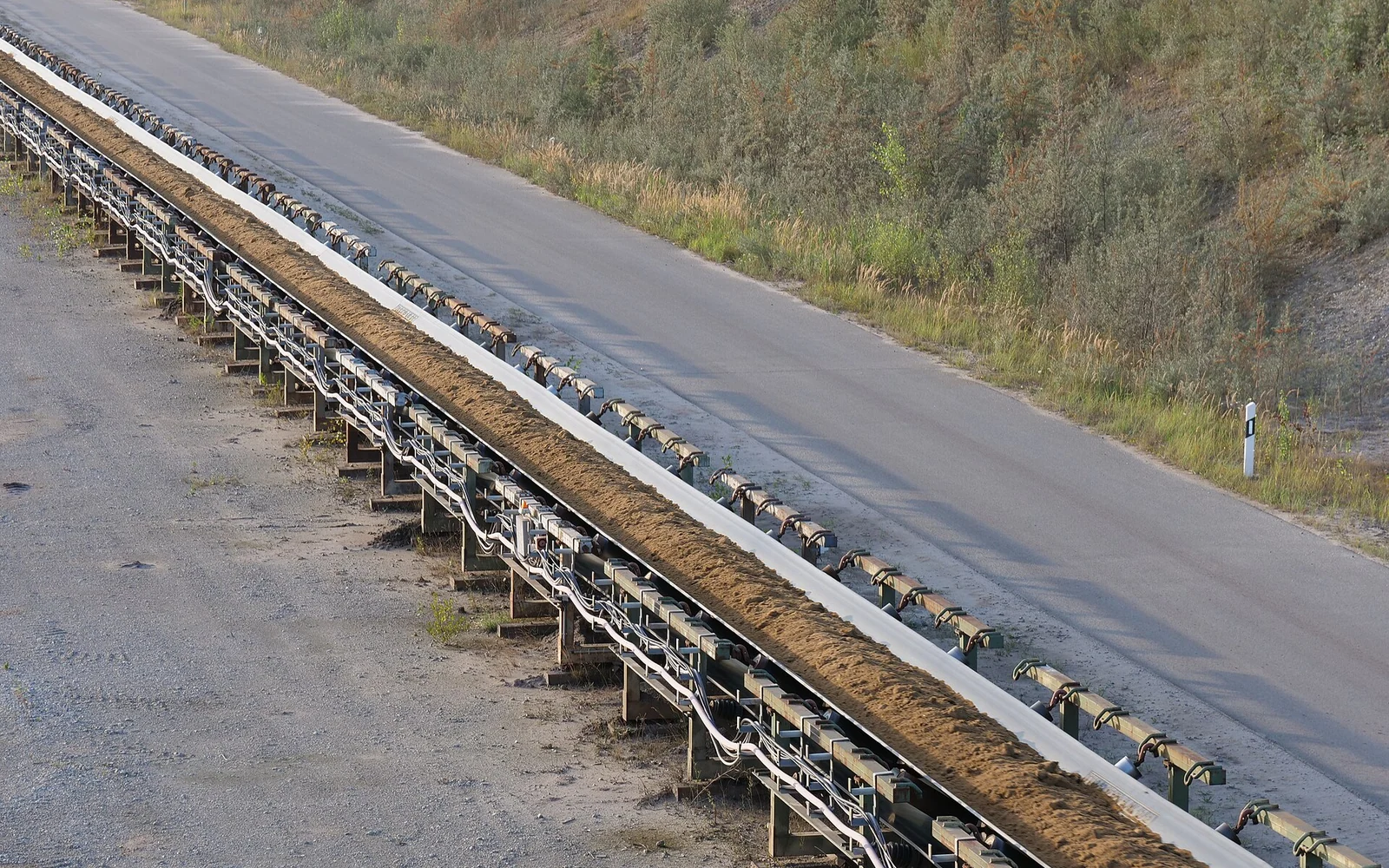
Mining Conveyor Duty Is Defined by the Material and Route
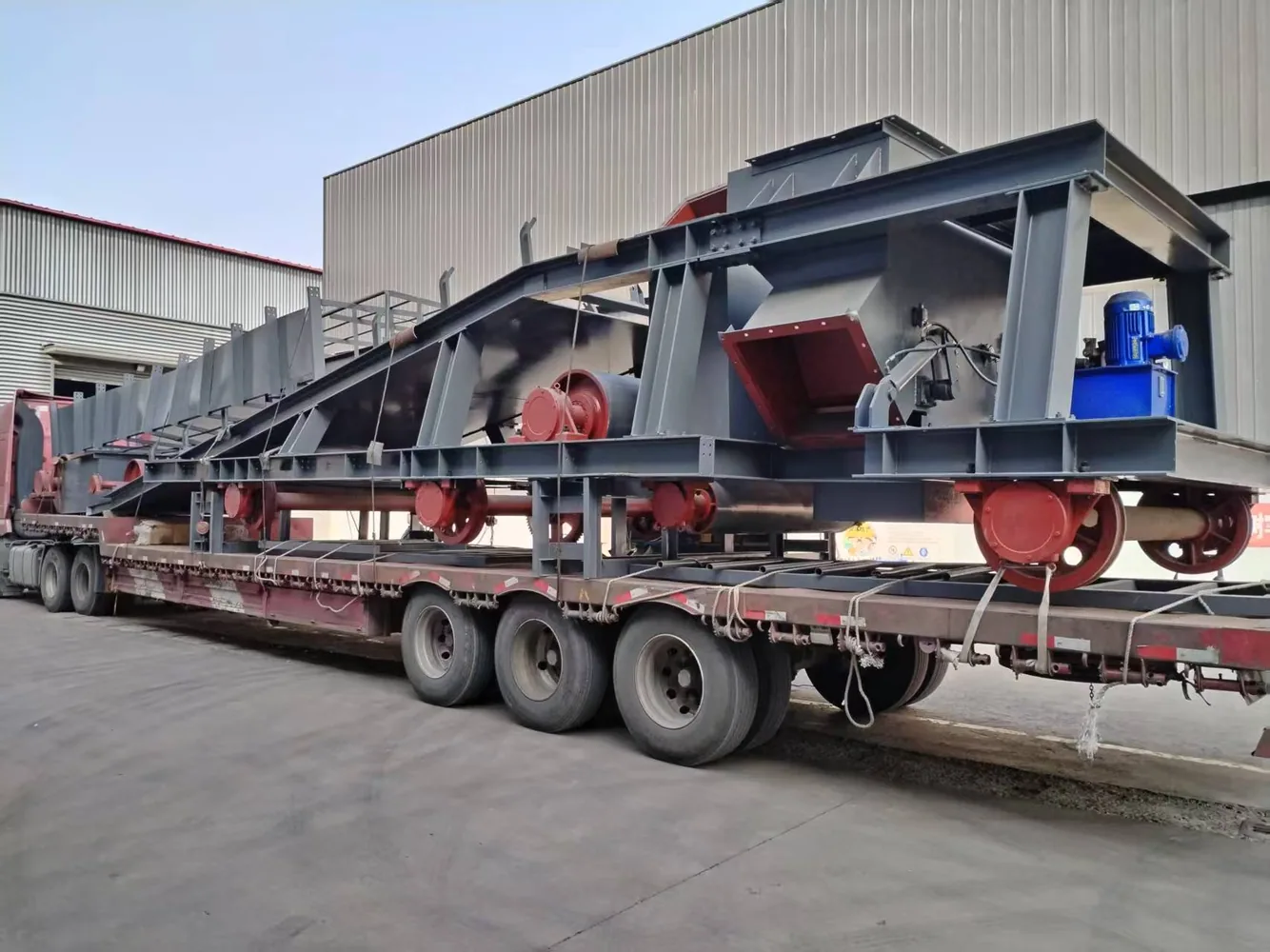
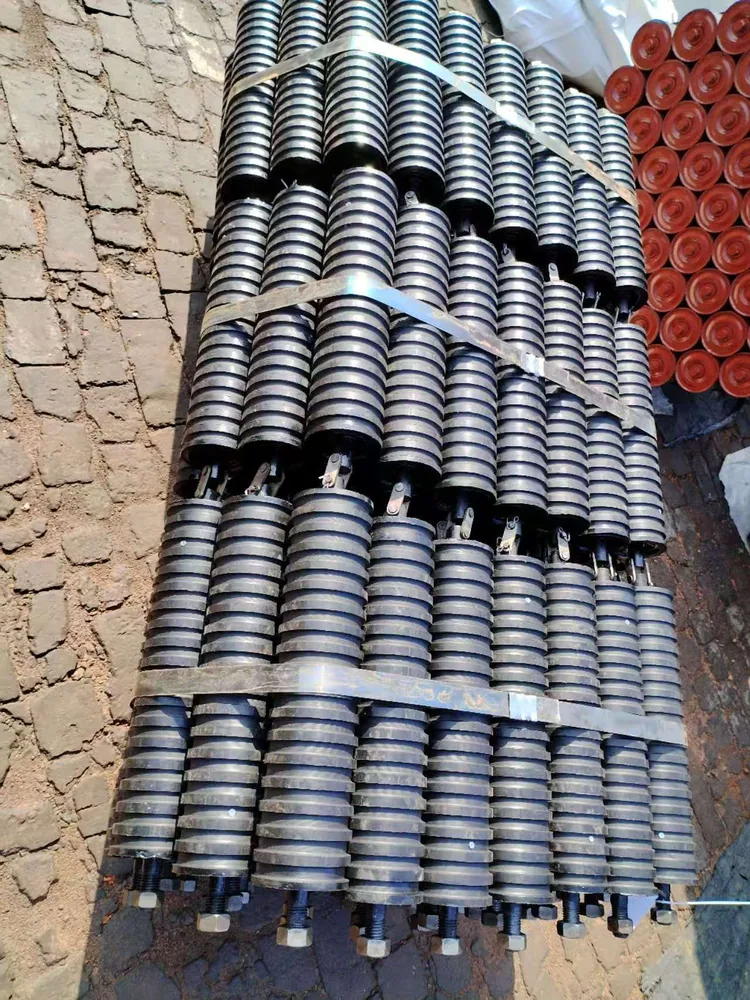
Mining conveyor equipment should be reviewed against the conveyed material, loading points, route and operating schedule. Abrasive ore, variable lump size and long duty hours place different demands on carrying idlers, impact positions, pulleys and the conveyor structure. A useful enquiry identifies where the component operates and whether it is for new equipment or a brownfield replacement.
Where Idler and Pulley Conditions Become Critical
- Crusher discharge and transfer points combine impact loading with abrasive wear.
- Long carrying runs depend on freely rotating idlers and consistent frame interfaces.
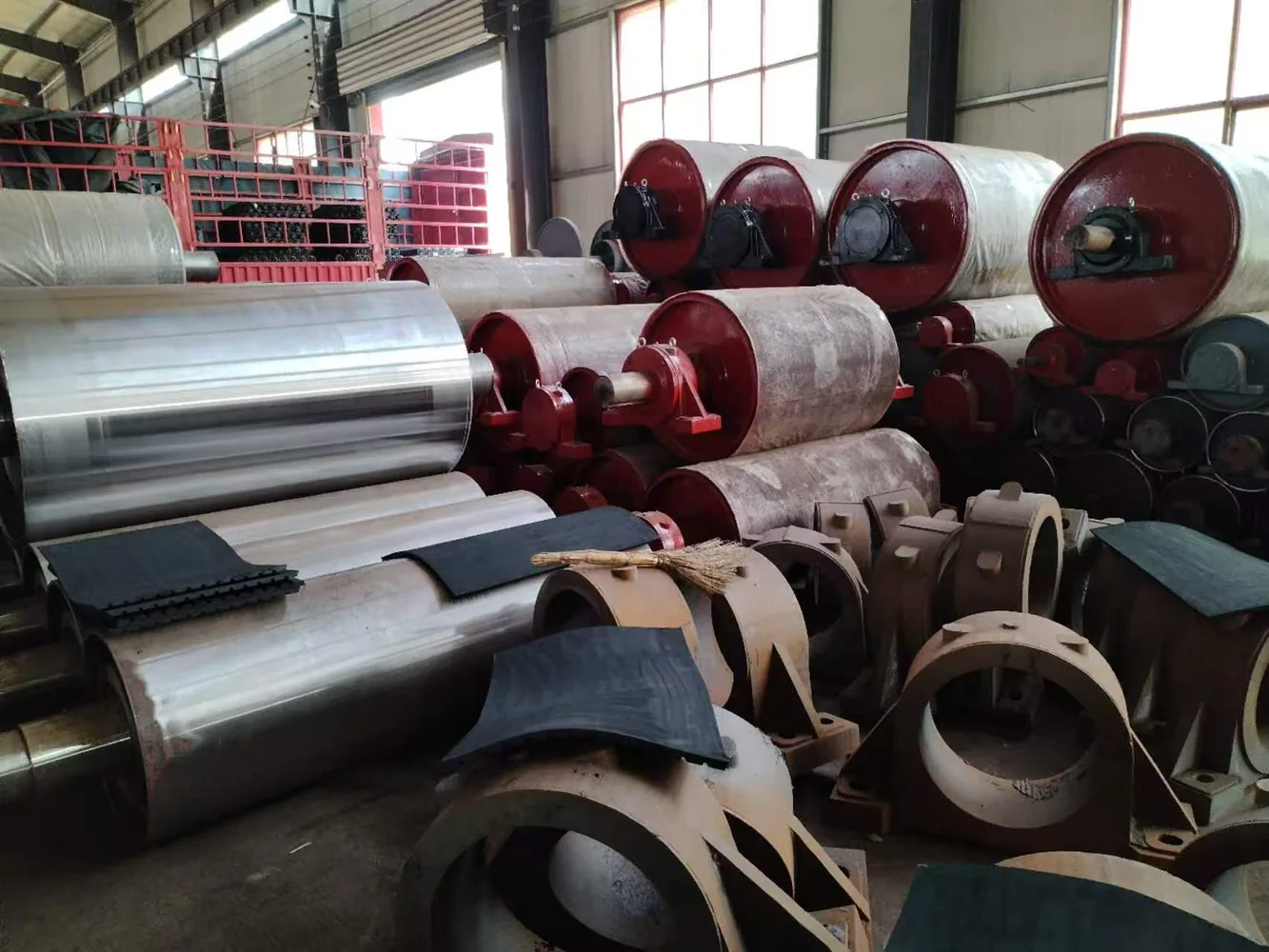
- Drive and high-tension pulley positions require confirmed shaft, bearing and load data.
- Dust, moisture and material build-up can affect seals, bearings and belt tracking.
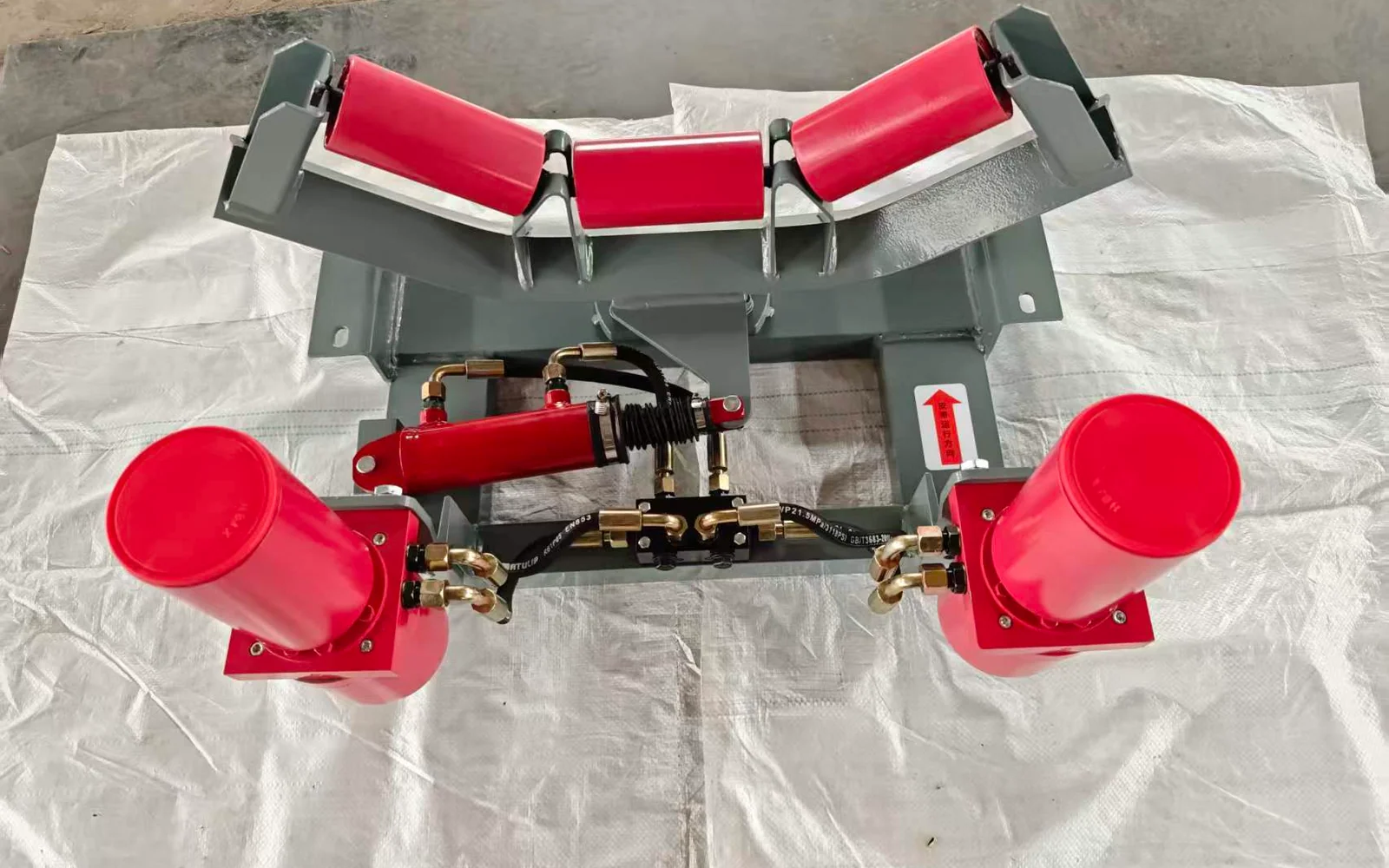
Recurring belt wander should be checked against loading, build-up, seized rollers, pulley alignment and structure before a tracking device is considered.
Replacement Components Must Match Existing Interfaces
A nominal belt width or roller diameter is not enough for a direct replacement. Idler enquiries should include roller length, shaft ends, bearing and seal arrangement, trough angle, frame dimensions and mounting holes. Pulley enquiries should include shell diameter, face width, full shaft profile, bearing centres, hub or locking arrangement and the required surface. An approved drawing is preferred; a measured sketch and clear photographs can support review when the original drawing is unavailable.
Information Needed Before Quotation
- Material, bulk density, maximum lump size and moisture.
- Normal and peak capacity, belt width, belt speed and operating hours.
- Component position and existing drawing or measured interfaces.
- Loading-point drop height where impact duty is involved.
- Quantity, required documentation and delivery destination.